
Every day, I find myself scrolling through lists of upcoming game titles, reading reviews, and creating content around some of them. Recently, I came across the S.T.A.L.K.E.R. 2 trailer again on YouTube and decided to search for it on Steam. Instead of selecting the exact game, I opened the search results—and was immediately hit with the sheer number of S.T.A.L.K.E.R.-like games available. Not just direct copies, but many clearly inspired by the series.
I’m a big fan of S.T.A.L.K.E.R., so naturally, discovering and playing games with a similar aesthetic and gameplay style is something I look forward to, like the Metro series, for example.
But seeing the overwhelming number of S.T.A.L.K.E.R.-inspired games made me pause. If I actually wanted to play all of them, would I want to spend that much money? Would I even have the time? Probably not. I’ve noticed this same pattern with many other titles too. This isn’t new, people have been talking about it for a while—but for me, it really hit when I stepped back and looked at my own Steam library. While it pales in comparison to some, it’s still a decent size. And yet, I felt overwhelmed. It made me wonder: could this be why games don’t feel the same anymore?
As time goes on, more and more people are becoming skilled with technology. Game development is more accessible than ever for those willing to put in the time. Tools like GameMaker and RPG Maker empower almost anyone to start their journey into game development. And don’t get me wrong—that’s an amazing thing.
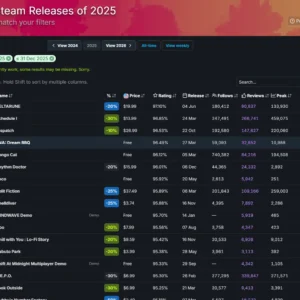
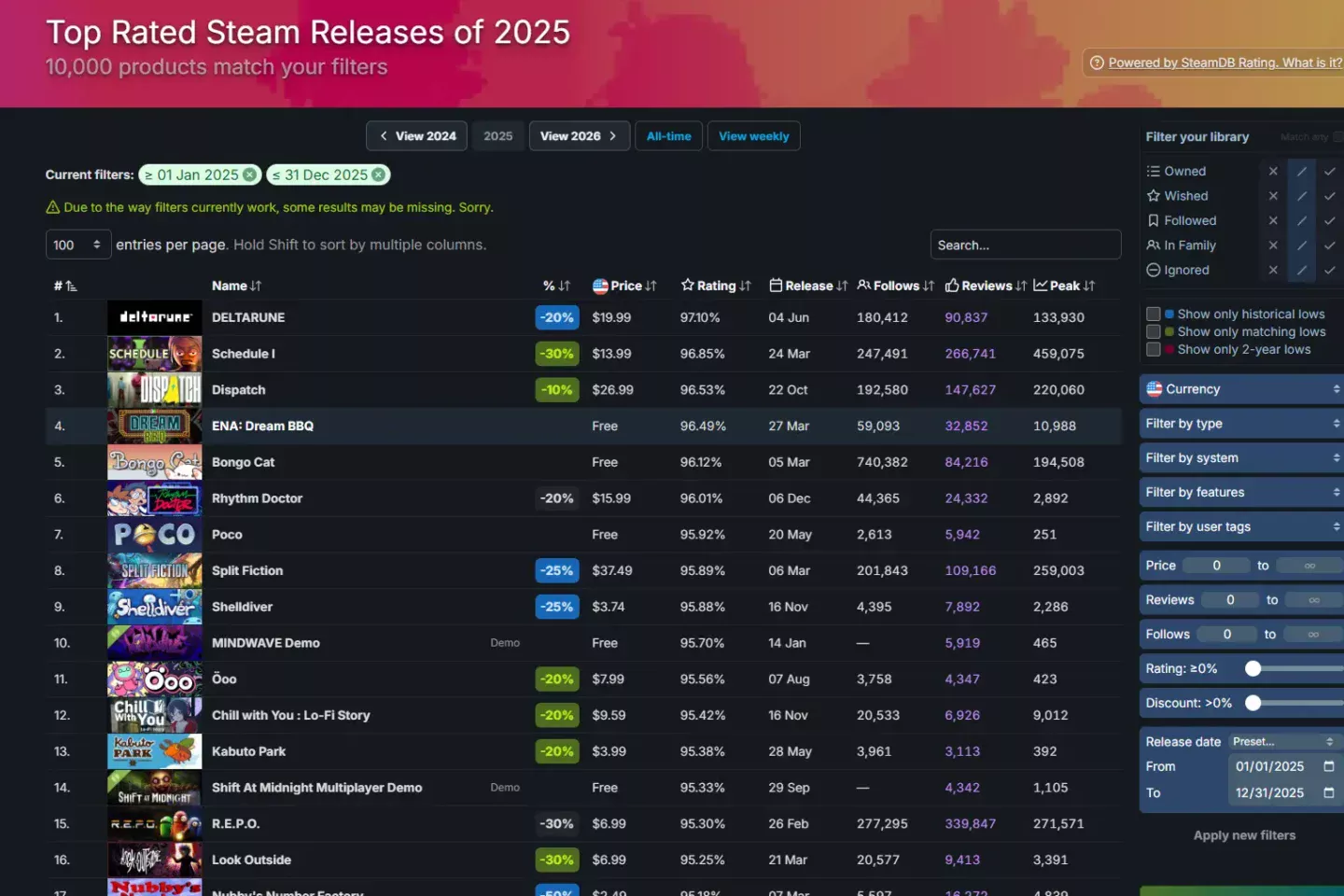
The downside is that more games are being released than ever before. Thousands launch every single month. Most aren’t great, some are good, and a few are genuinely special. Then you add in how frequently Steam runs sales, and suddenly the backlog grows even faster.
The gaming industry moves so quickly now that it can feel impossible to keep up. Being presented with countless new titles every time you log into your platform can feel overwhelming. I know this doesn’t apply to everyone—especially not casual players who buy one game every few months. But that’s not really my audience anyway.
So how do you prevent that overwhelming feeling? Stop buying into FOMO (fear of missing out) and focus on what you genuinely love about the games you play. The games you’re interested in aren’t going anywhere. That game you want—but you’re still trying to finish Baldur’s Gate 3 for the fifth time—let it sit for a while. The price will go down, and you’ll likely end up with a better experience in the long run.
I’m not saying don’t support developers. I’m saying live within your means and do what’s best for your mental health.
Collecting and playing games is meant to be fun—not something that feels tedious or overwhelming. If you ever find yourself feeling that way, take a moment and ask yourself why you play games in the first place.