


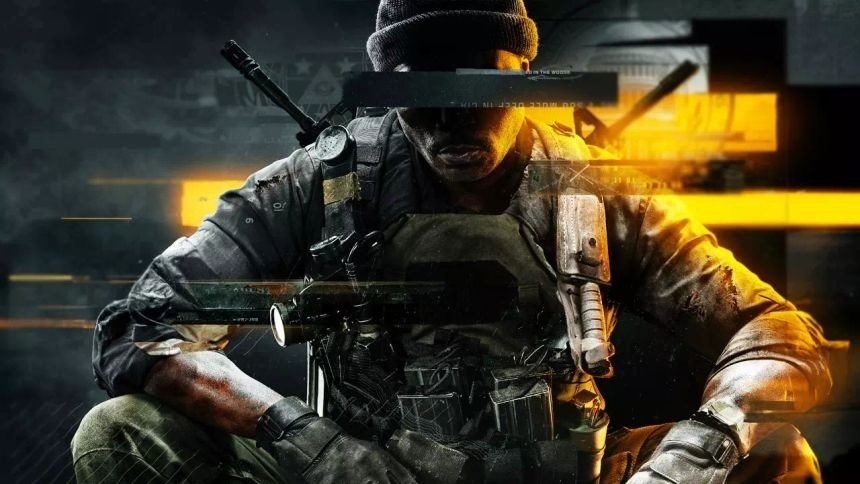
In a recent blog post on the Call of Duty website, the developers announced: “We will no longer do back-to-back releases of Modern Warfare or Black Ops games. The reasons are many, but the main one is to ensure we provide an absolutely unique experience each and every year.”
I stopped playing Call of Duty years ago after Black Ops 2 because it felt like Activision was drifting further and further away from its arcade-style roots. The growing focus on realism and selling skins over improving core gameplay became unbearable. In my opinion, Call of Duty: Cold War was the closest the series has come to recapturing its original feel since the last great release of Black Ops.
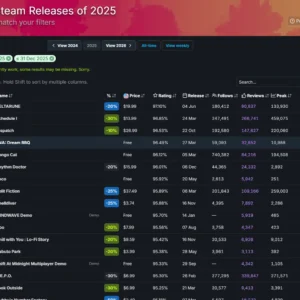
The yearly launch cycle has become more of a cash grab than a source of innovation. Activision seemed to believe that releasing the next Call of Duty would be profitable regardless of quality, even if the game itself wasn’t great. That mindset finally caught up with them when Black Ops 7 underperformed. Battlefield 6 blew Call of Duty out of the water in both sales and player count. While it’s difficult to factor in Game Pass numbers, something tells me it wouldn’t have changed the outcome.
Now, it appears Activision is finally starting to listen to its player base—largely because players stopped giving them their money—and is moving away from a strict yearly release schedule. While this is welcome news, it’s still coming from a company that has lost a significant amount of goodwill over the years.
I’ve been saying this for a long time: Call of Duty should switch to an update-driven model rather than a constant launch cycle, similar to Valorant or Counter-Strike 2. Stop releasing rushed entries each year and instead focus on strong core gameplay, quality-of-life improvements, competitive support, and live events.
It’s hard to ignore the success of games like Valorant, Counter-Strike, League of Legends, and Rust. While I’m not someone who wholeheartedly supports online-only games, this model does benefit players when it comes to long-term quality and support. Studios are forced to listen to their communities when they have a single title to maintain, because if they don’t, the game simply fails. With yearly releases, there’s always an escape hatch: “Let’s see what they do in the next one.”
I can’t help but wonder how this shift will affect Battlefield’s launch strategy, especially since EA has recently expressed interest in moving toward an annual release cycle of its own.
https://www.callofduty.com/blog/2025/12/call-of-duty-message-from-the-team